
A small group of six met at Charlotte Pass for three days of walking. We self-catered at the Lodge.
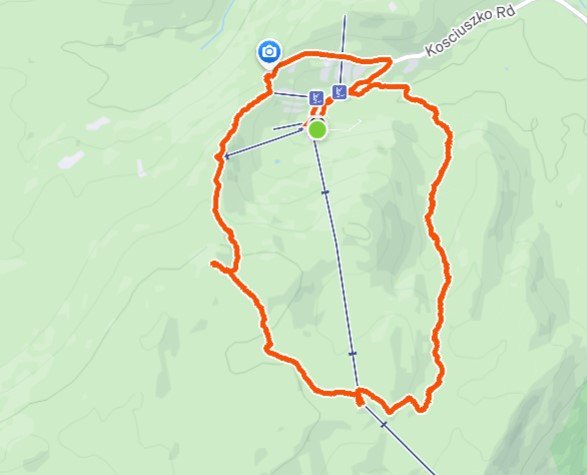
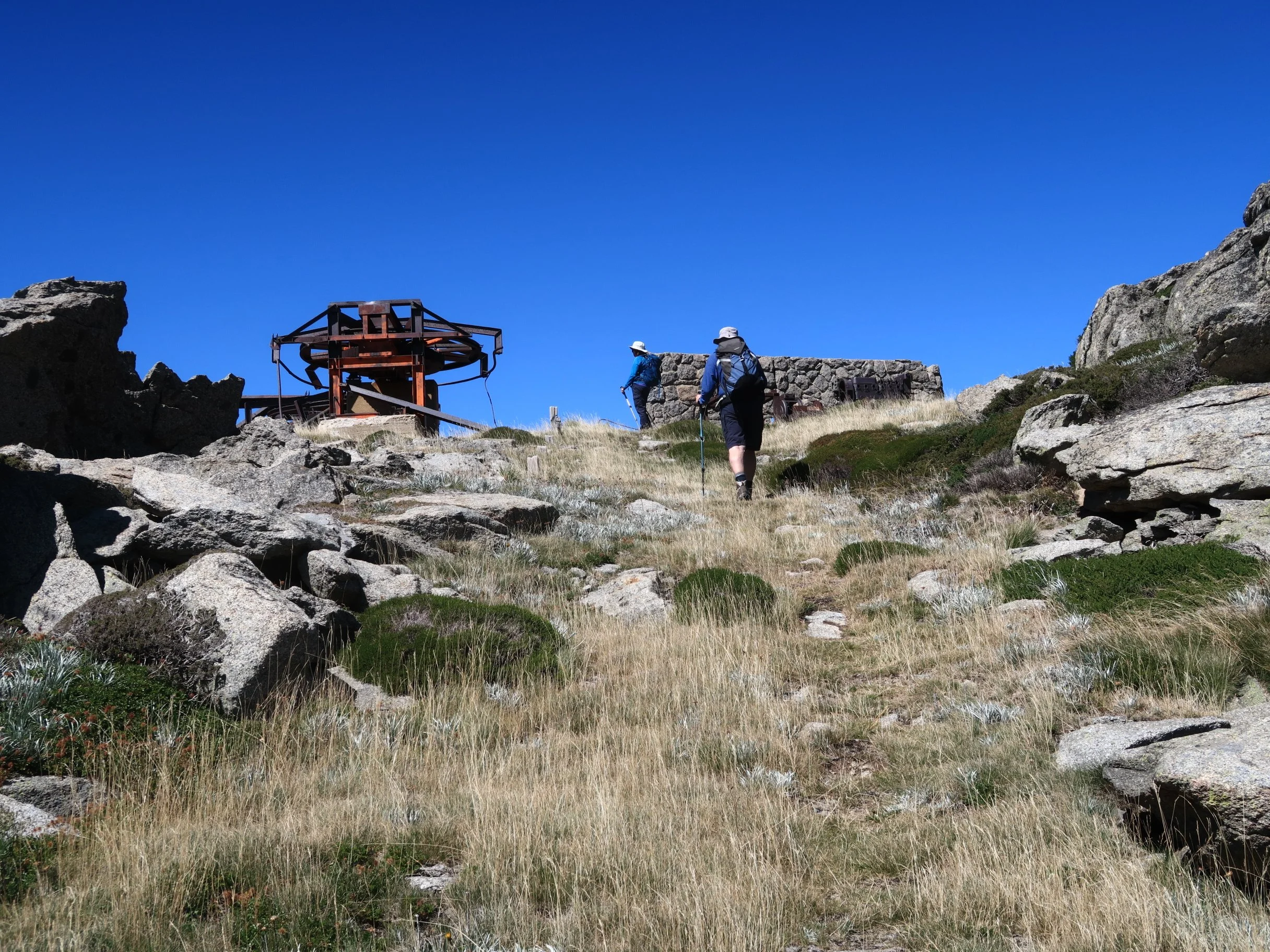
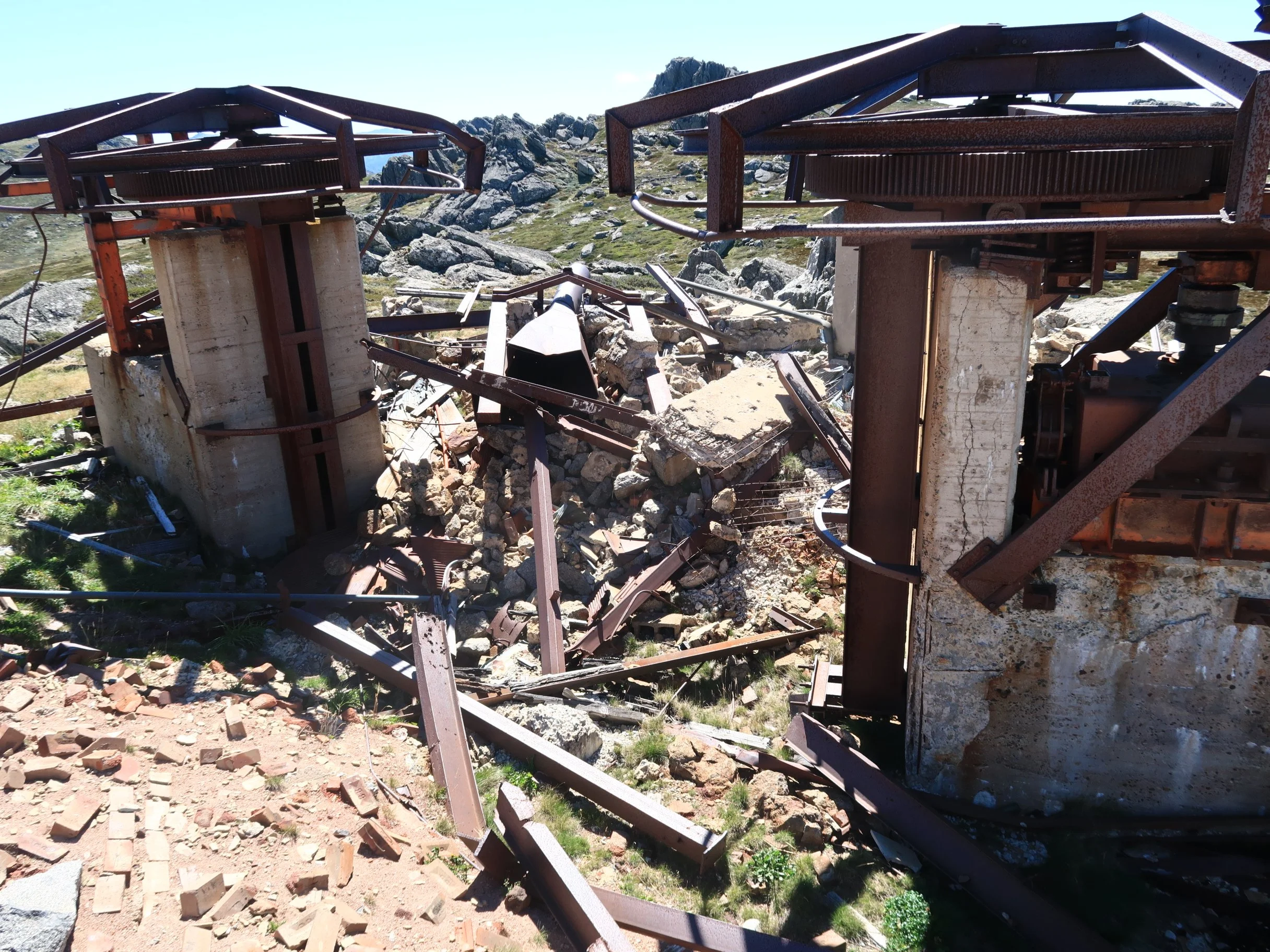
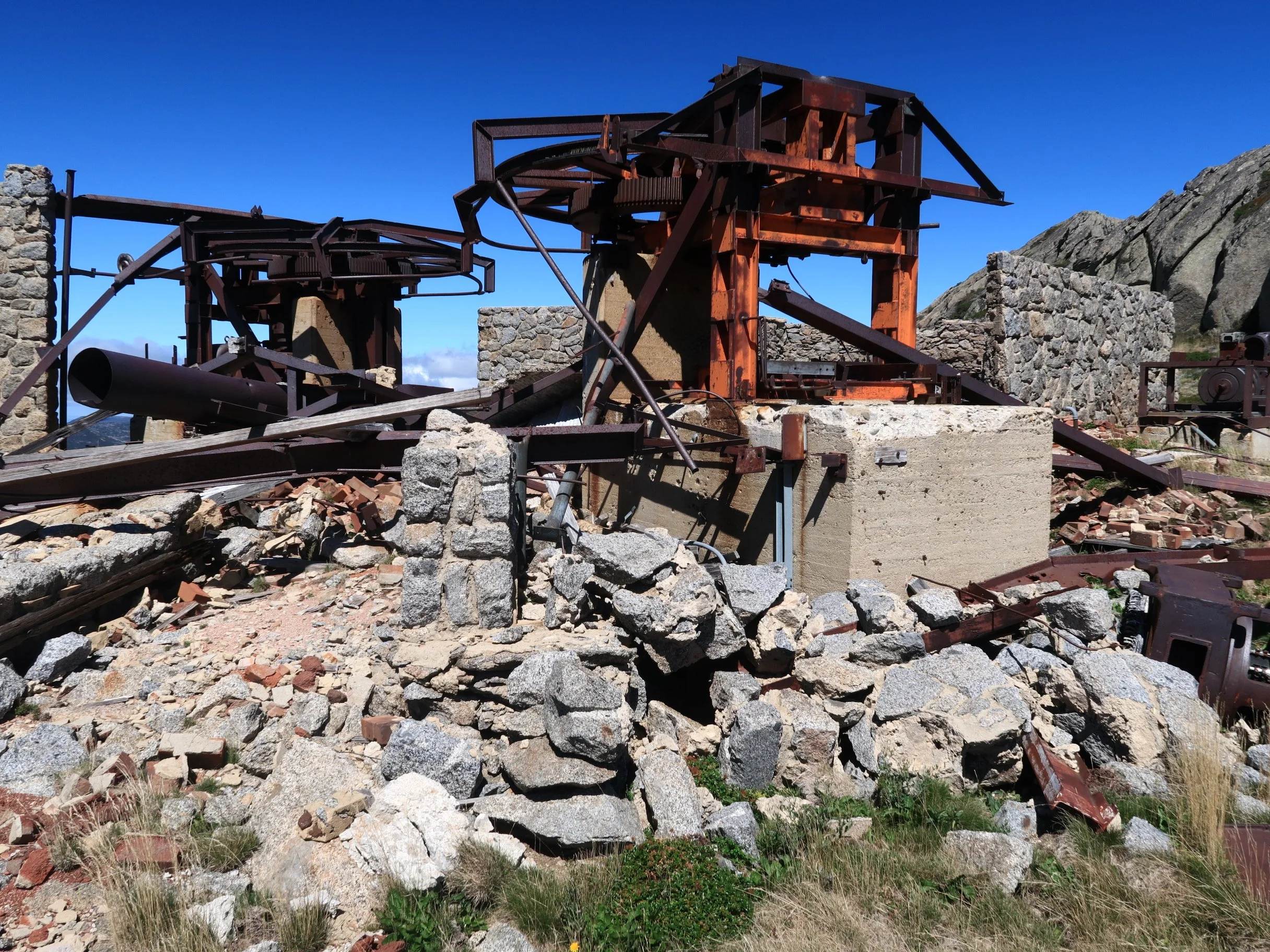
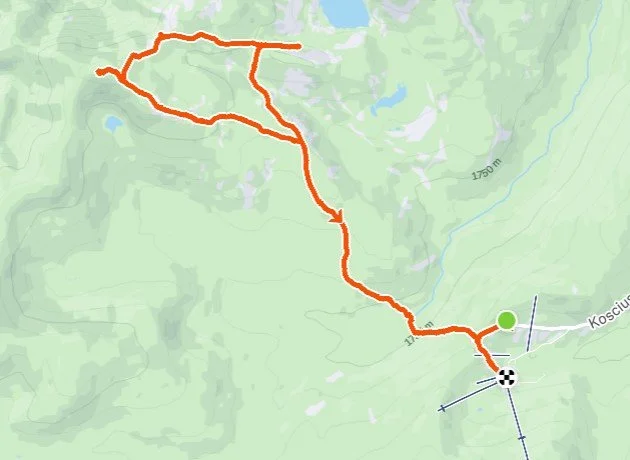
In perfect weather on the first day, Friday, we set out for Mt Stilwell and then went off track to reach the old chairlift and restaurant ruins. The chairlift ruins date from the mid 1960s when an ambitious attempt to link Thredbo and Charlotte was abandoned.
This is a really interesting part of Kosciuszko history. The story of the chairlifts and the high-level Stilwell Restaurant is one of underestimating the power of the elements. The mammoth undertaking of successfully completing the construction of lifts at this location was utterly undone by severe blizzard conditions in 1964. The lift system could not cope with Nature’s forces, and after repeated incidents and in financial difficulties, the whole thing was abandoned in 1965, and finally blown to bits in about 1970.
At the time, it was touted as the longest chairlift operation in the world. It's a pity that the operators were not forced to clear away the mess, as it really is an eyesore on the landscape. Having said that, it is a unique hike destination.
It’s also interesting to note that modern maps show the route of the lift runs as though they are still in place.
There was a bit of bushbashing to return to Charlotte Pass village. Distance covered - about 10.5 km.
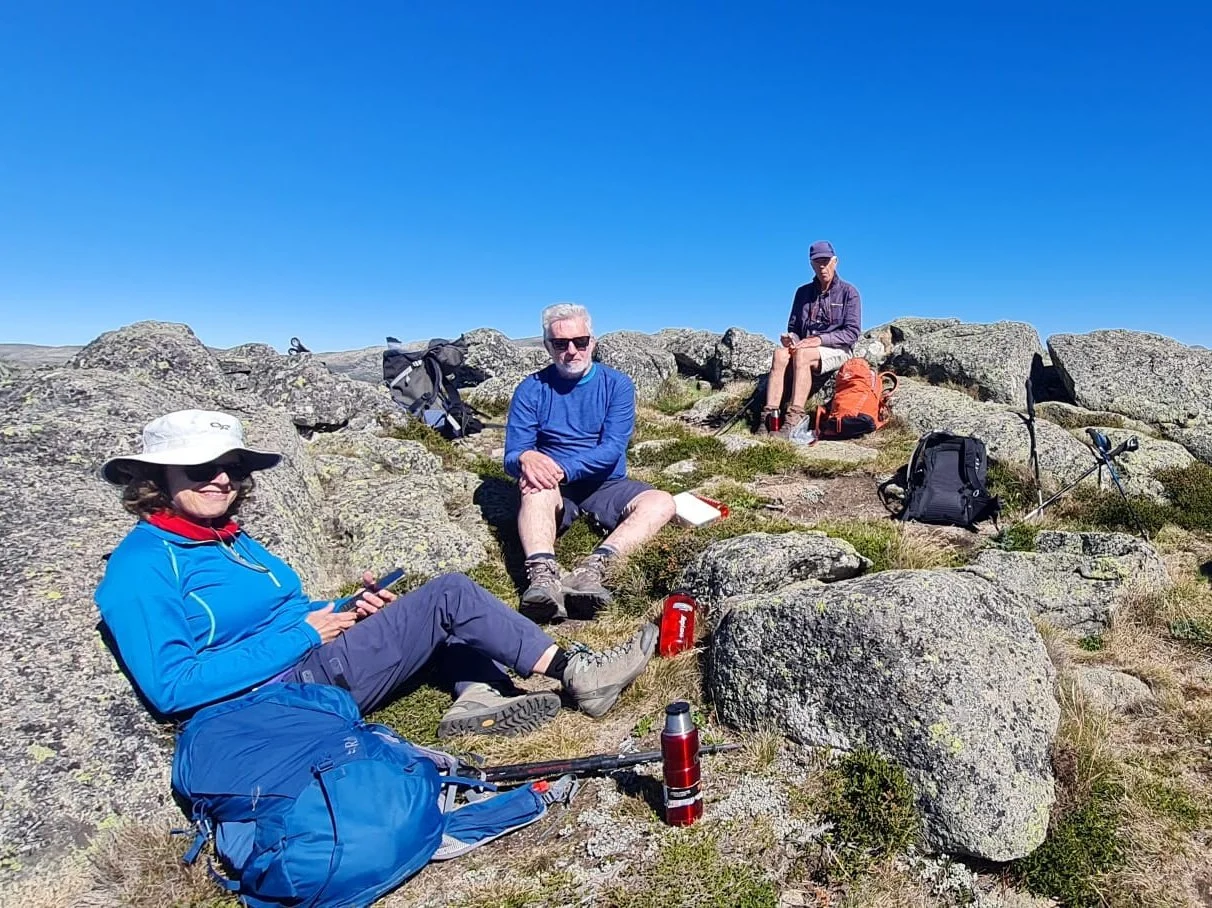
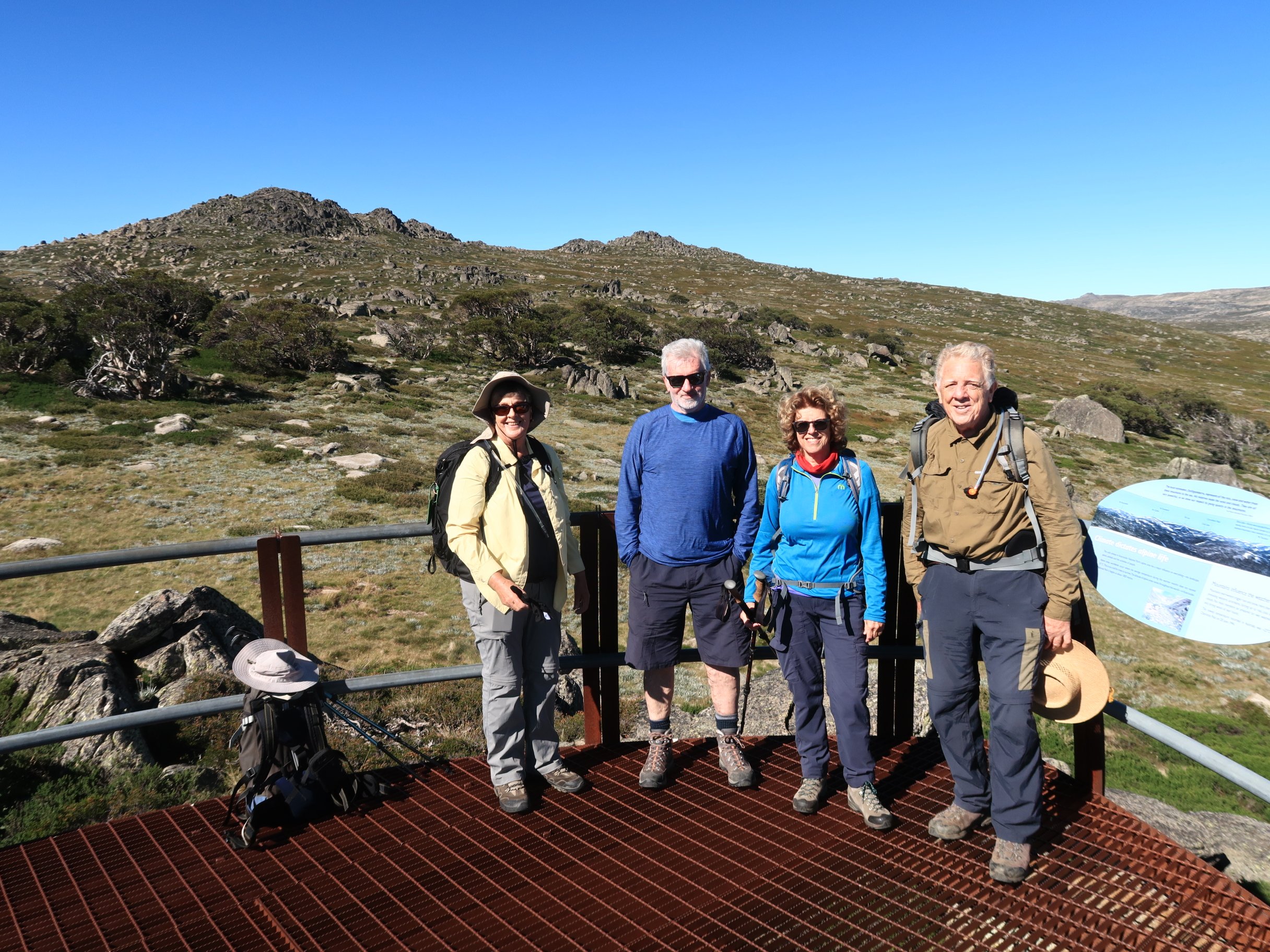
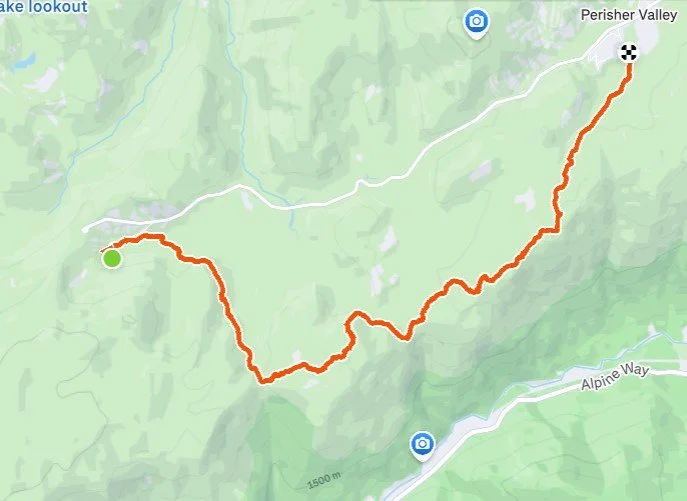
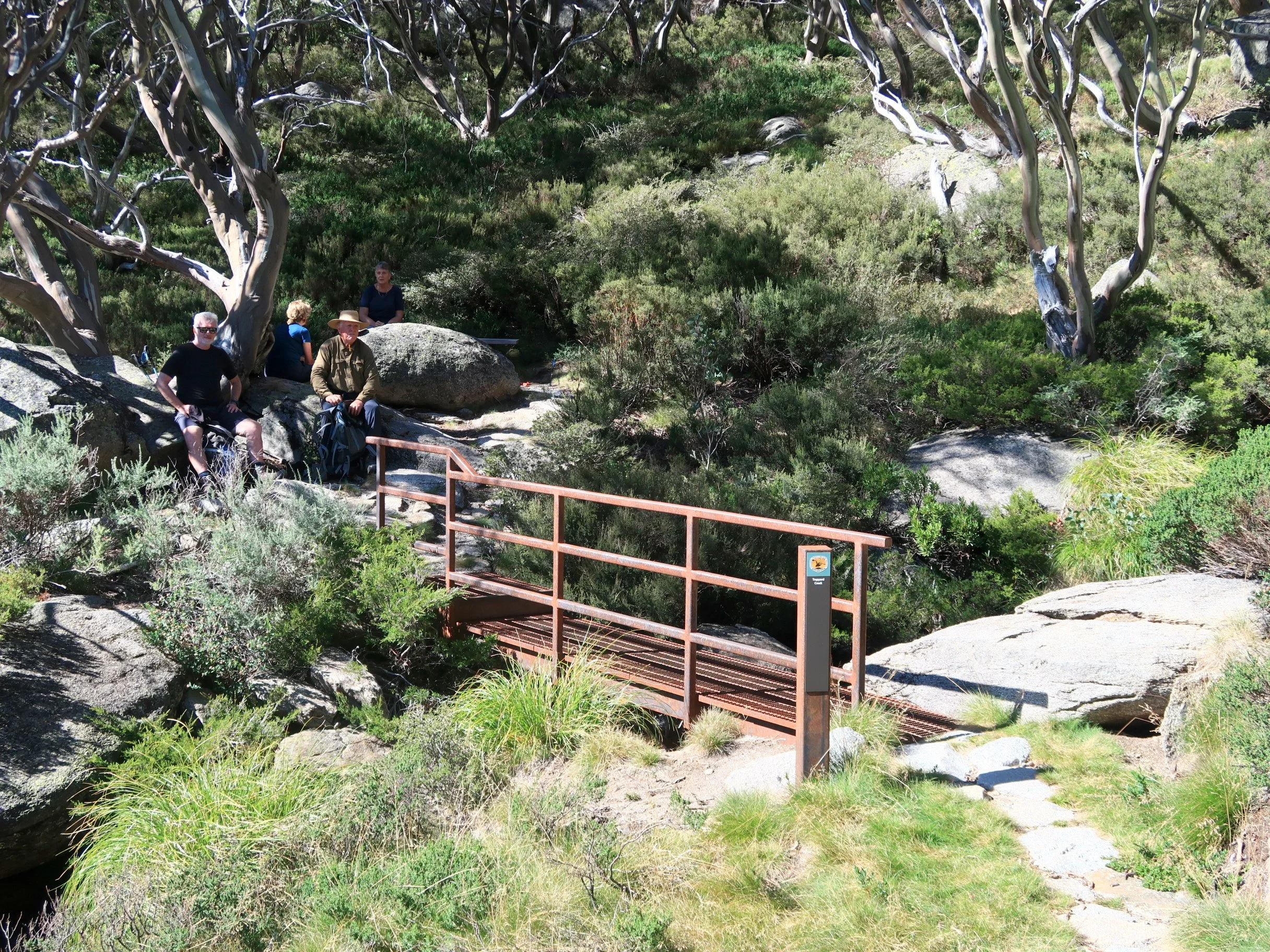
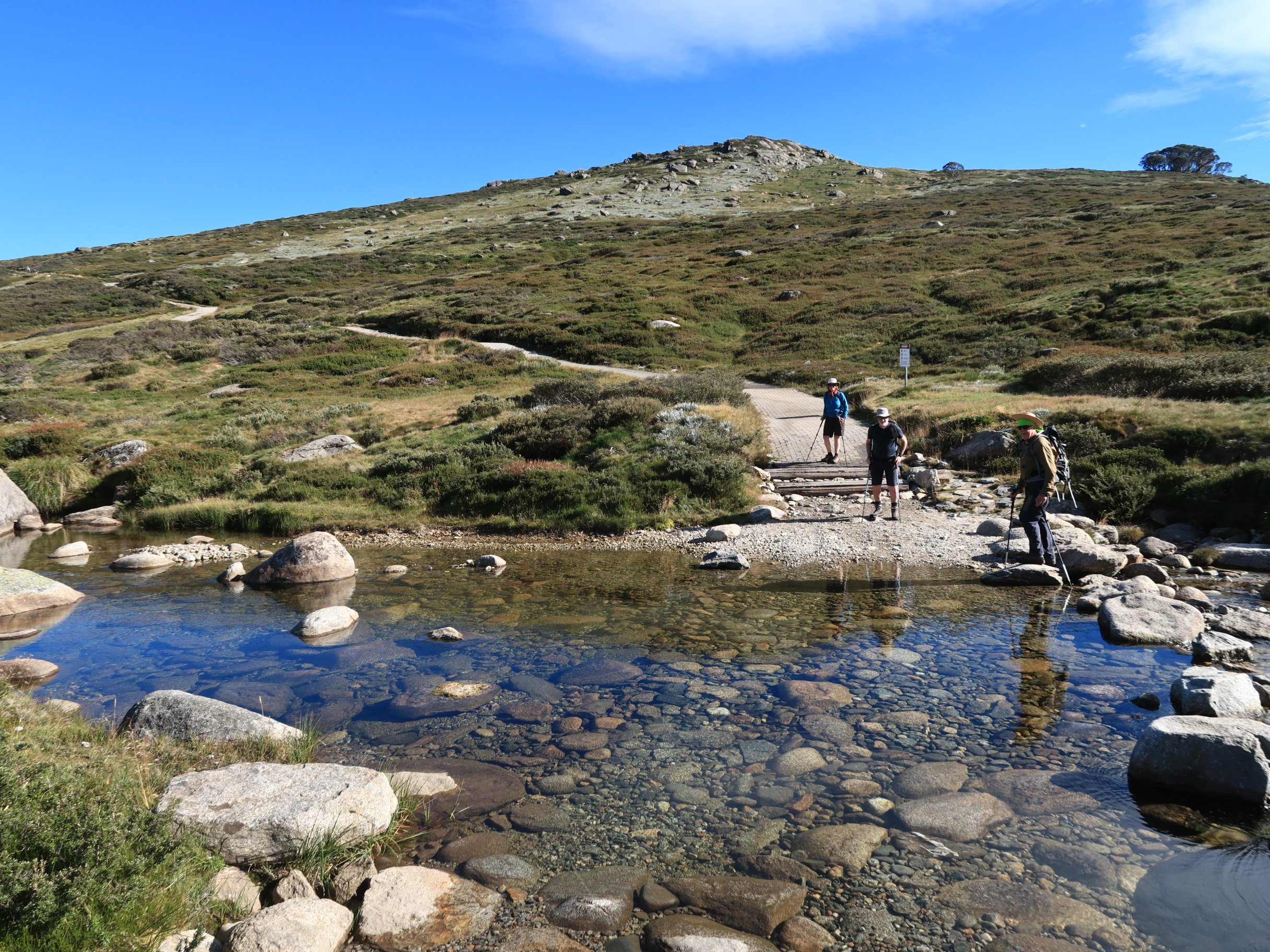
On the following day, blue sky weather continued and we walked part of the Snowies Alpine Walk, from Charlotte Pass to Perisher. Trapyard Creek was our morning tea stop, then we found a delightful shady place for lunch a couple of kilometres from Porcupine Rocks.
Distance covered - 13.4 km.
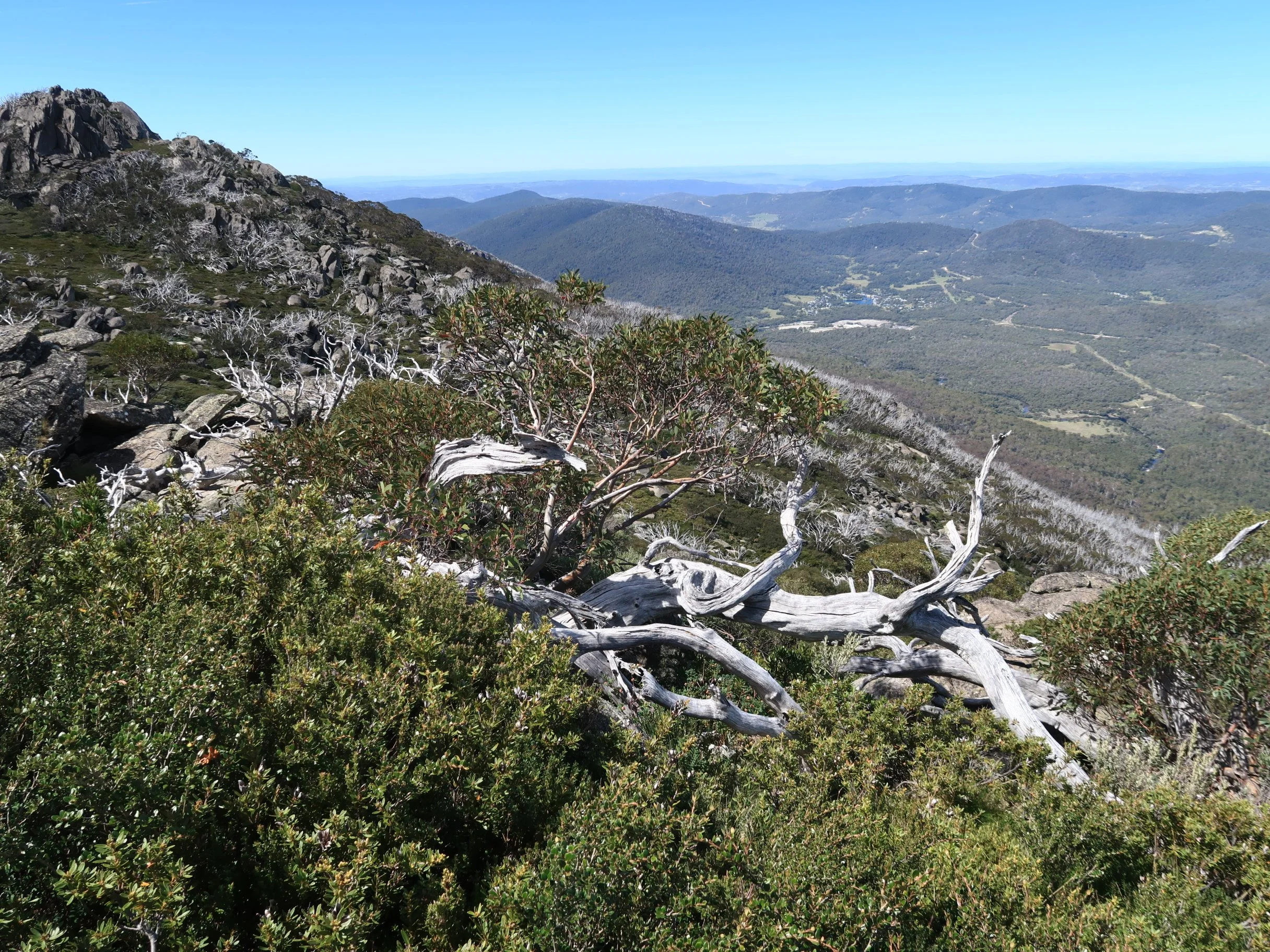
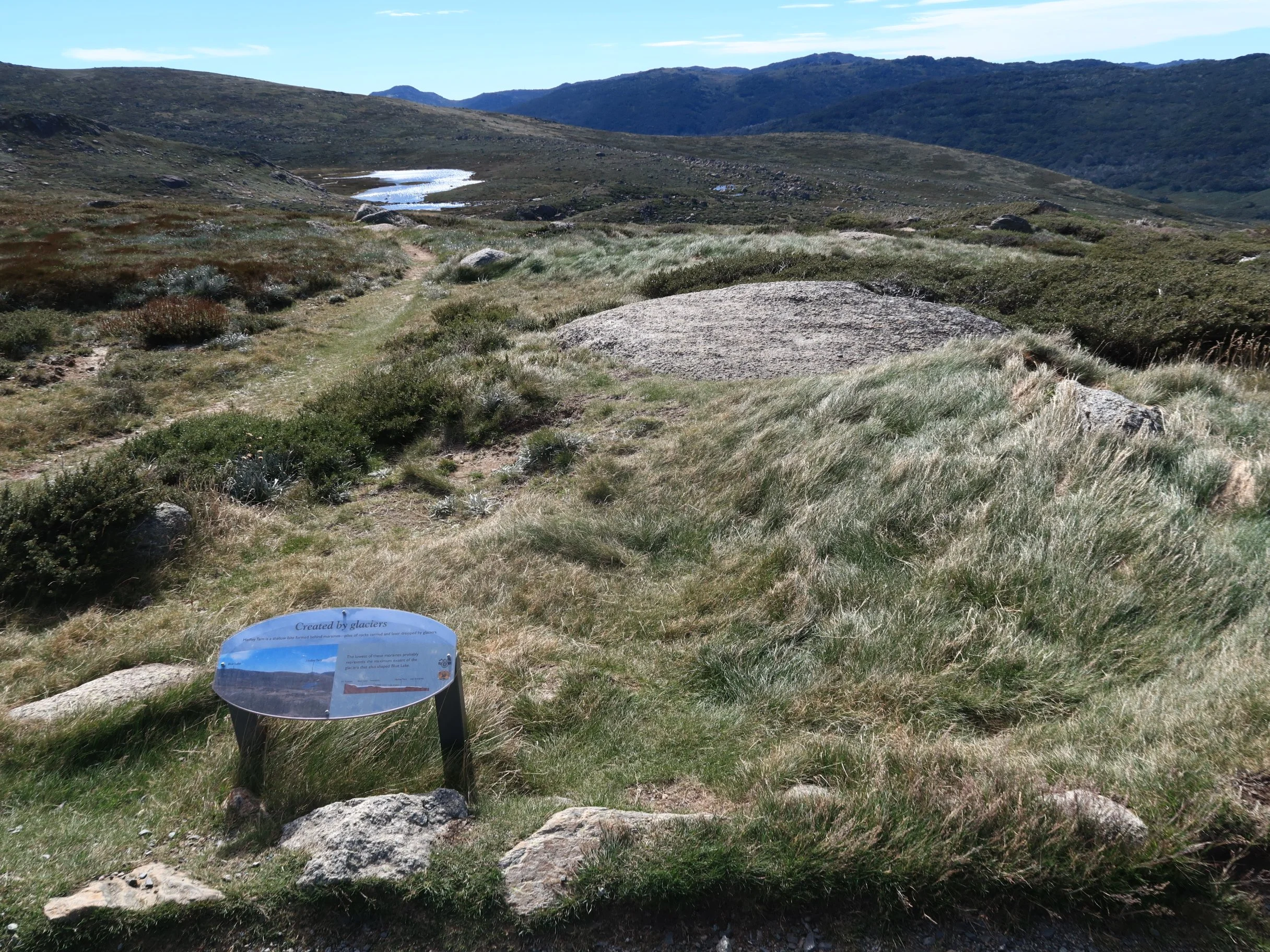
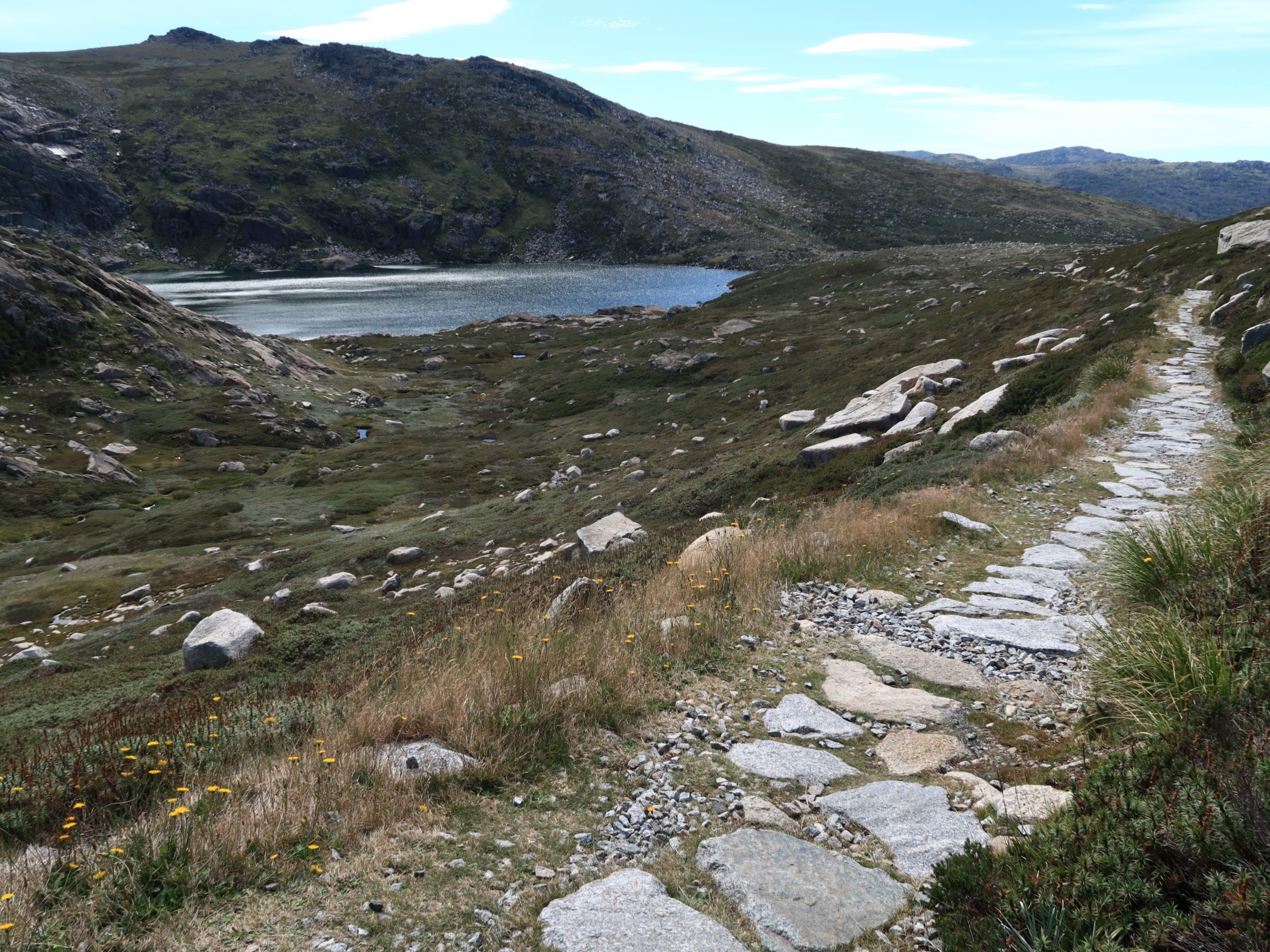
In perfect conditions again on our last day, Sunday, we took off at an unhurried pace to Mt Carruthers, taking in Hedley Tarn and Blue Lake on the way. Then it was off track downhill across grassy slopes to join the main track and return to the Lodge. It was a perfect day, mostly sunny with a light cool breeze.
Distance covered - 12.7 km.
Wildlife count over three days:
Grasshoppers (probably Chameleon Grasshopper, endemic to Australian Alps) - thousands
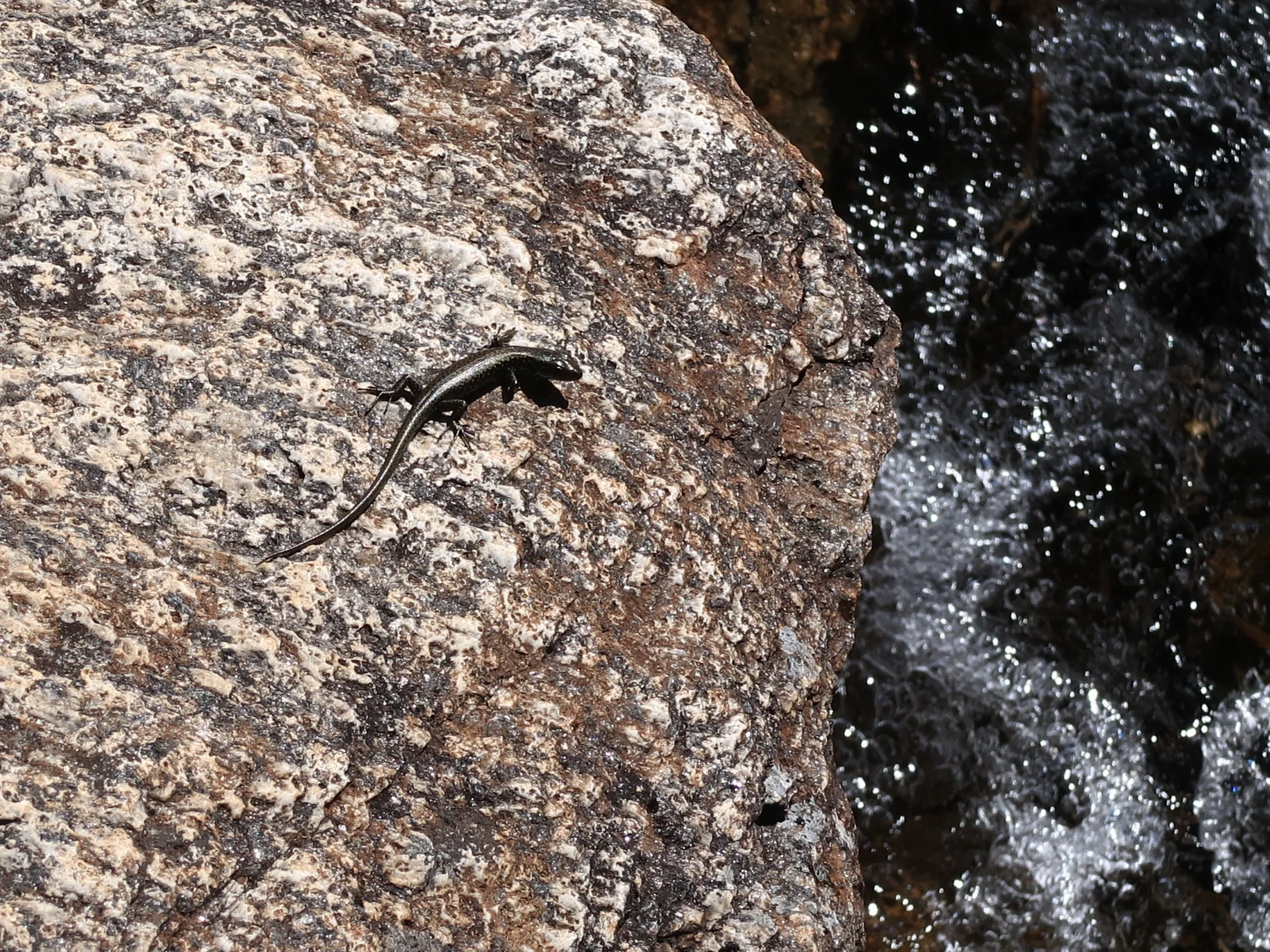
Lizards (probably Guthega skink) - scores
Birds - numerous ravens, several magpies, handful of pipits, one flame robin
Mammals - none spotted, but plenty of wombat and kangaroo droppings on the tracks
Snakes - two (one black, one brown), glimpses only
Flies - none to speak of
Frogs - three heard, none seen