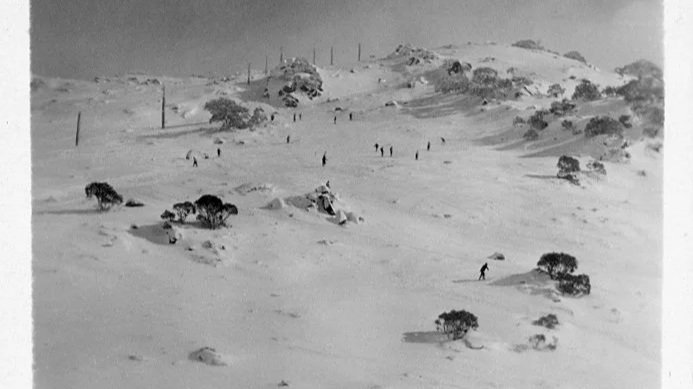
Margie passed away on 25 November, aged 90 she skied well into her 80s but the last few years saw a rapid decline. Our sympathy to Margie’s children Ray, Katrina, and Scott and their families.
Margaret was quite a skier representing at the Australian Championships in the 50s. Margaret wrote the Mountain Memories section in All Welcome – the Southern Alps story copied below.
Mountain Memories, 1949-64 (by Margaret Hookham, nee Abel)
One night during the winter of 1949, aged 14, I left Sydney's Central Station with my sister Alice, six years older than me, on the steam train for Cooma. We stopped at Goulburn in the middle of the night, eating pies and porridge (which had weevils in it for extra nourishment) and boarded again to the delights of the bronze foot-warmers filled with hot ashes from the steam engine. Arriving at Cooma at 7am, we were taken by Balmains' bus to the Dodds Hotel for breakfast. Then it was back onto the bus for a slow, rough trip on the narrow, gravelled Snowy Mountains Highway through Jindabyne, a one-pub, one-store town straddling the Snowy River, past the fishermen's lodge called the Creel and on to the grand old Hotel Kosciusko. The sites of both old Jindabyne and the Creel are now under the water of Lake Jindabyne.
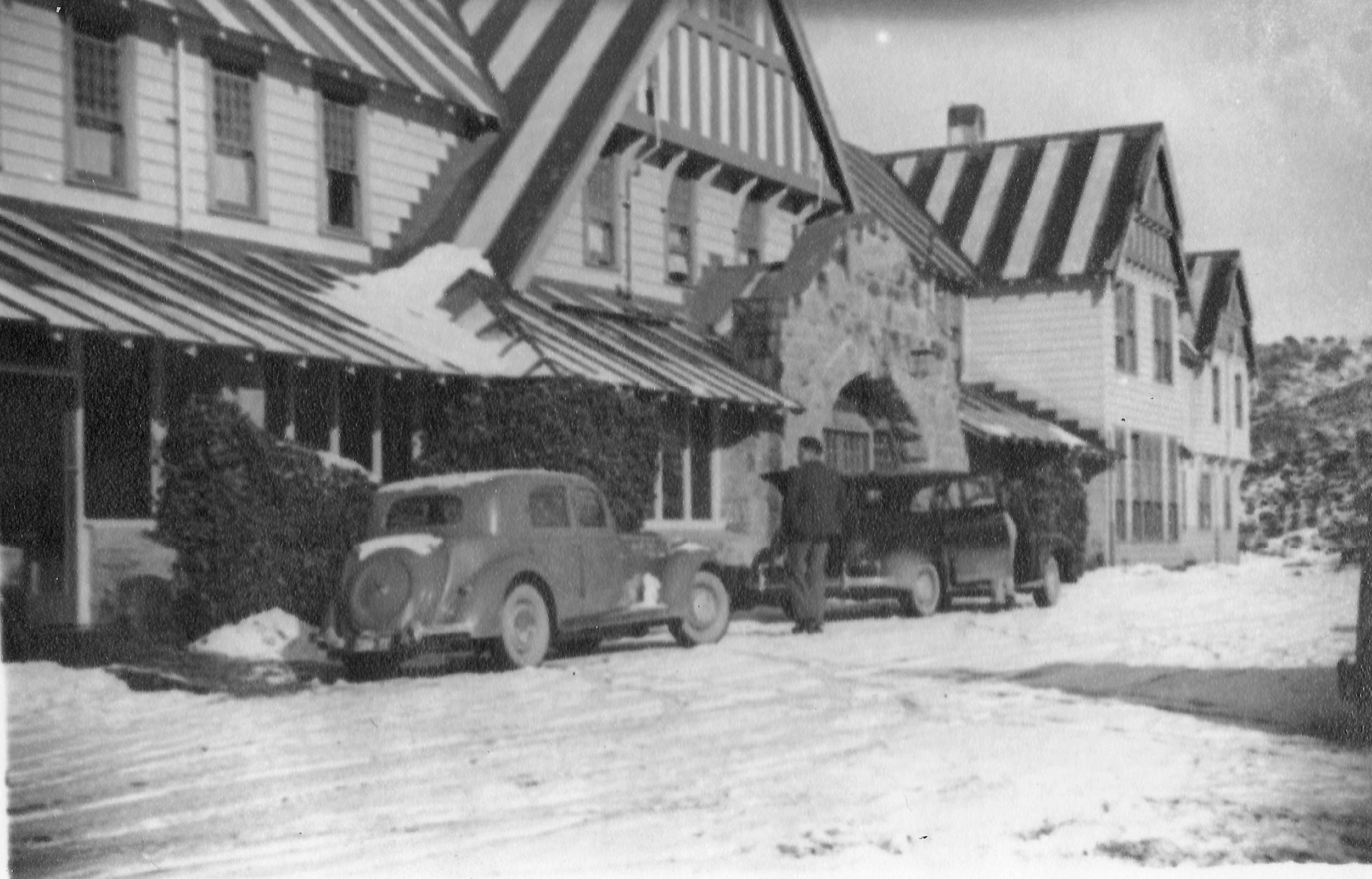
Hotel Kosciuszko
The Hotel was a truly magnificent building in which we were to stay for two weeks. It incorporated a large, open concrete quadrangle which, when flooded, froze over to become a skating rink. Some brave folks would also skate on the lake in front of the Hotel.
We booked ski lessons and hired some skis. We had our own boots, ex-army, with grooves in the heels to accommodate the springs of the bindings. Kitted out, we walked along the road to the Kerry Course for our first taste of skiing. This was where the lessons were conducted, and at the end of each week the races. I took to the new sport pretty well and was able to win the novice races. The trophies were engraved silver sandwich trays, and winning one of those was a real boost for a young first-time skier.
At the Hotel we met the members of the Southern Alps Ski Club, and we joined up immediately. George Nicoll was there, encouraging everybody to become members: he spent his entire holiday skiing slowly in front of the beginners and coaxing them to love the sport as he did. He did that every year! He was a great entertainer in the evenings, telling stories: whether they were true or not didn't matter to anyone. We also had table tennis marathons, movies in the staff quarters ─ which involved a long trek past the kitchen, the engine room and up many stairs all the way to the top floor ─ and a dress-up ball once a week. The staff quarters building was saved from the fire that consumed the Hotel in 1951 because it was a separate construction, and made of concrete rather than wood.
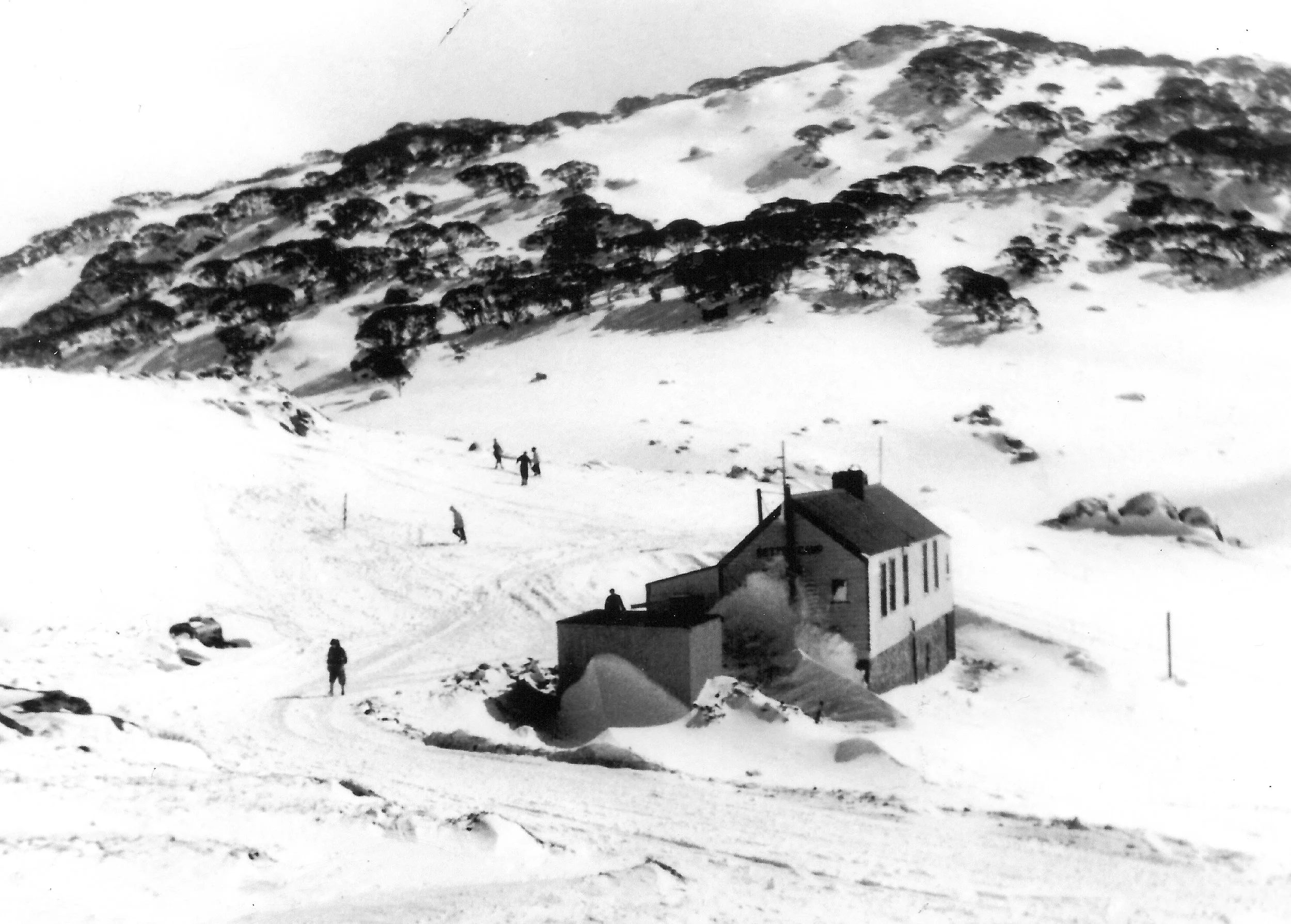
Betts Camp (was located between Perisher and Charlotte Pass)
During the early 1950s we went with Rex Cox and others on safaris to Perisher where the only building was a galvanised iron shepherd's hut with a fireplace. We also did day trips to the Main Range and to Blue Cow, long walks in those old skis.
We were back for more in 1950, when we stayed with other SASC members at Betts Camp, a small building with two-bunk rooms and a kitchen where we ate and sat around during the evenings. Two men did the cooking: one was Andrew Duczynski, who became my sister's husband the following summer by which time Alice and I were working at the Chalet. From there we took many trips to the Main Range and Albina Hut, often arriving back at the Chalet too late for dinner, very sunburned and with blisters on our feet from ill-fitting boots. I remember the freezing feet, the circulation problems and the chilblains as well. Snowy Scheme workers, mainly Norwegians, would ski into the Chalet at night to watch movies, and the staff at the Chalet would ski to Red Hut at the top of the Pass for parties.
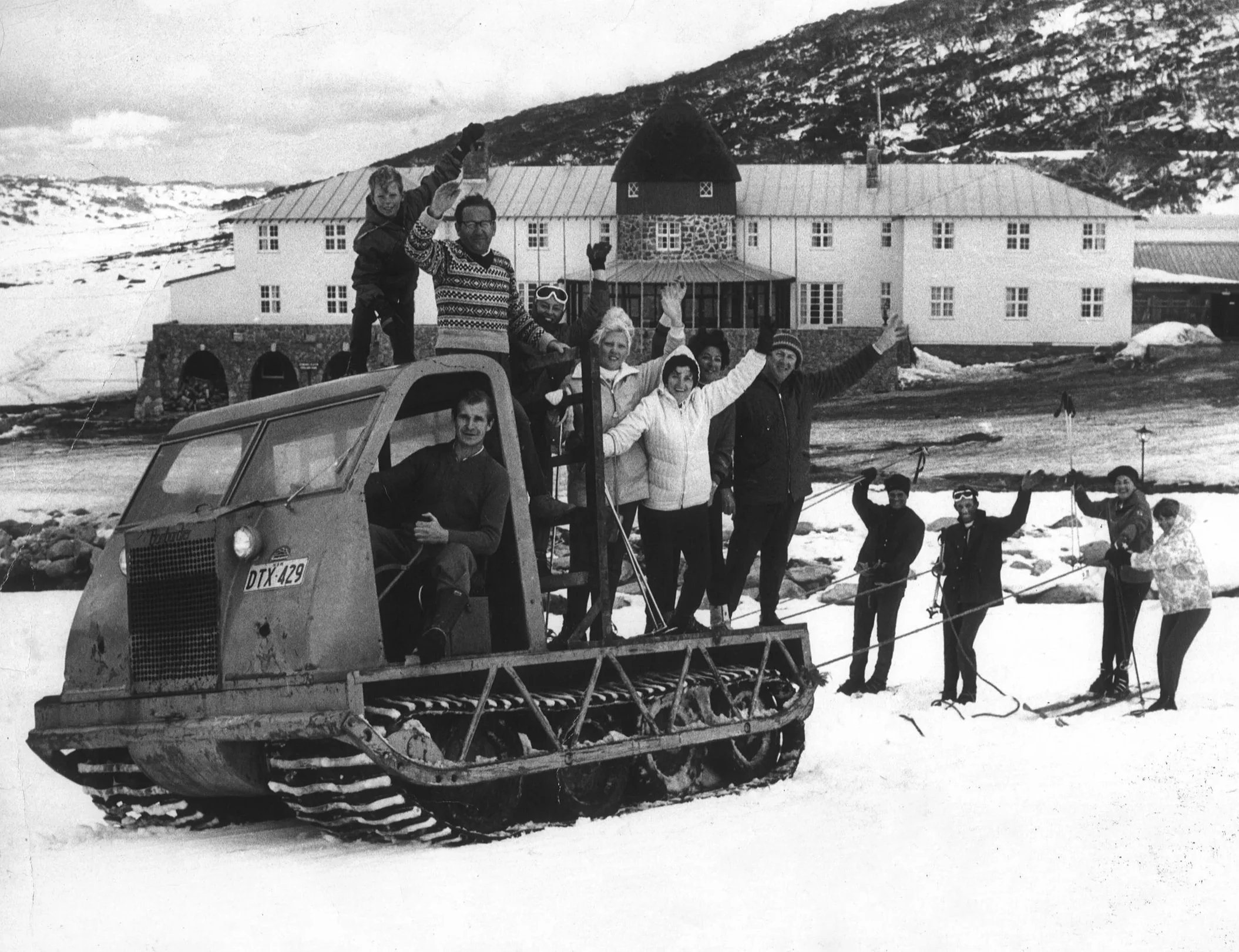
Snow-cats were important at the Chalet. They brought food and other supplies in, but they would often throw a track which would mean that the long loaves of bread in hessian bags would be late.
The cats were also useful for skiing trips, when people were towed by ropes which was fun unless you dropped your rope: this meant you got left behind and had to ski along without stocks in an attempt to catch up. We also found an entertaining use for the Chalet's grey army blankets. Two people would hold a blanket like a sail and go zooming across the flat. But having to roll the blanket up and plod back against the wind was no fun at all.
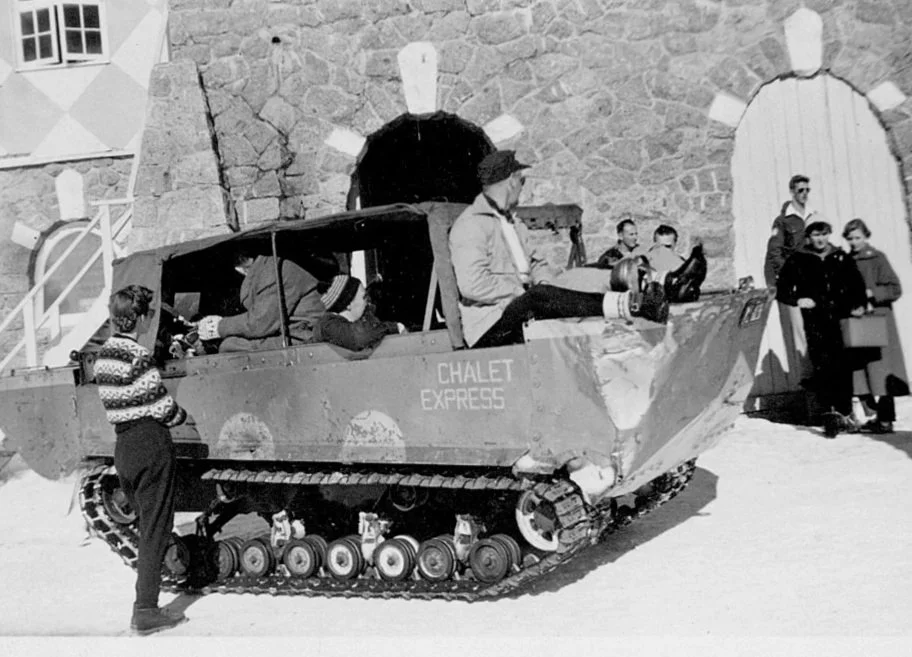
1955 leaving the Chalet
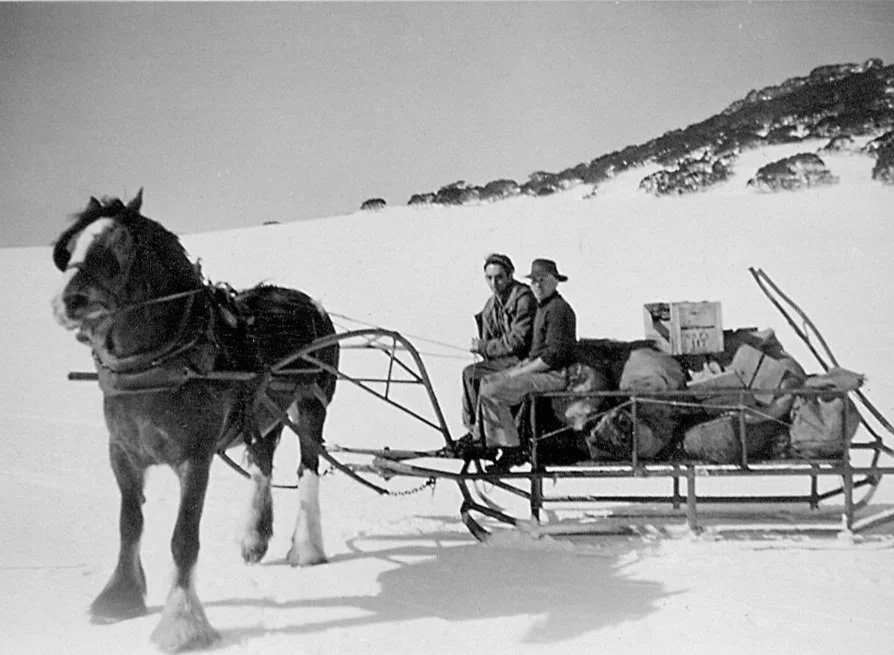
1956 garbage trip pulled by Punch
There were horses in the stables at the back of the Chalet and we rode them in summer. Punch, one of the draughthorses, was used to take the rubbish to the tip at Trapyard Creek, by sleigh in winter and wheeled cart in summer. Even now old broken beer bottle bottoms, stamped with the year 1937 and almost covered by soil and grass, can be found in the area.

1951 Roy Dunn and Punch on garbage run
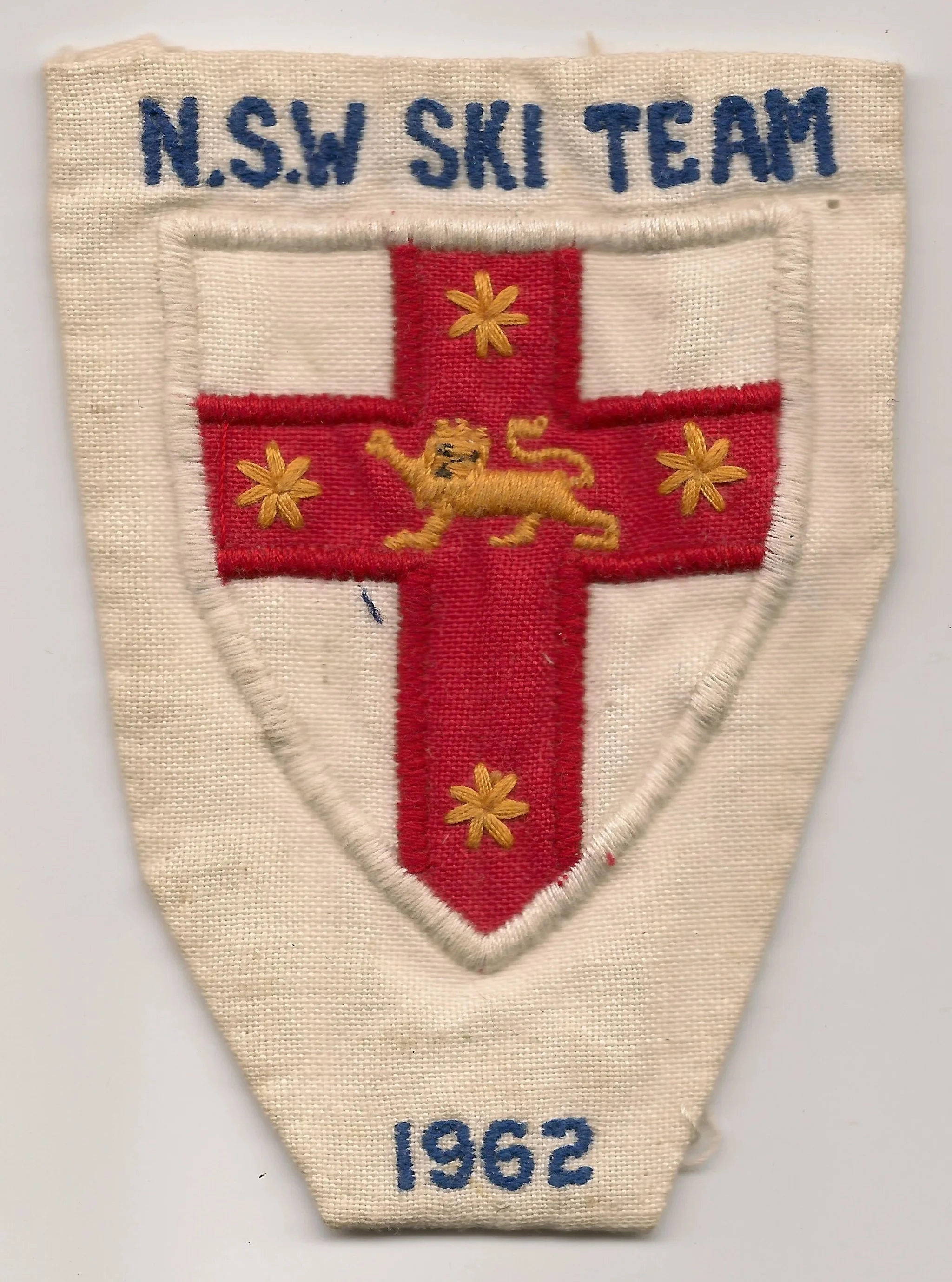
The Trapyard Creek area was also used for ski races: the 1962 interstate races were held there. I was a member of the NSW team that year (as I had been in 1957) and I was on the staff at the Chalet. I had to clean the Victorian team's bunkroom and make their beds before going out to race! At that time my husband Ray was managing the first shop at Perisher, selling lift tickets, ski lessons and ski clothes and hiring out skis. There were many children needing lessons in the school holidays and I was asked to help out with the instructing of the little ones. That's how I became the first female instructor at Perisher! Much later, during the 1980s and for only a brief period, I was the summertime manager of the Kahane lodge.
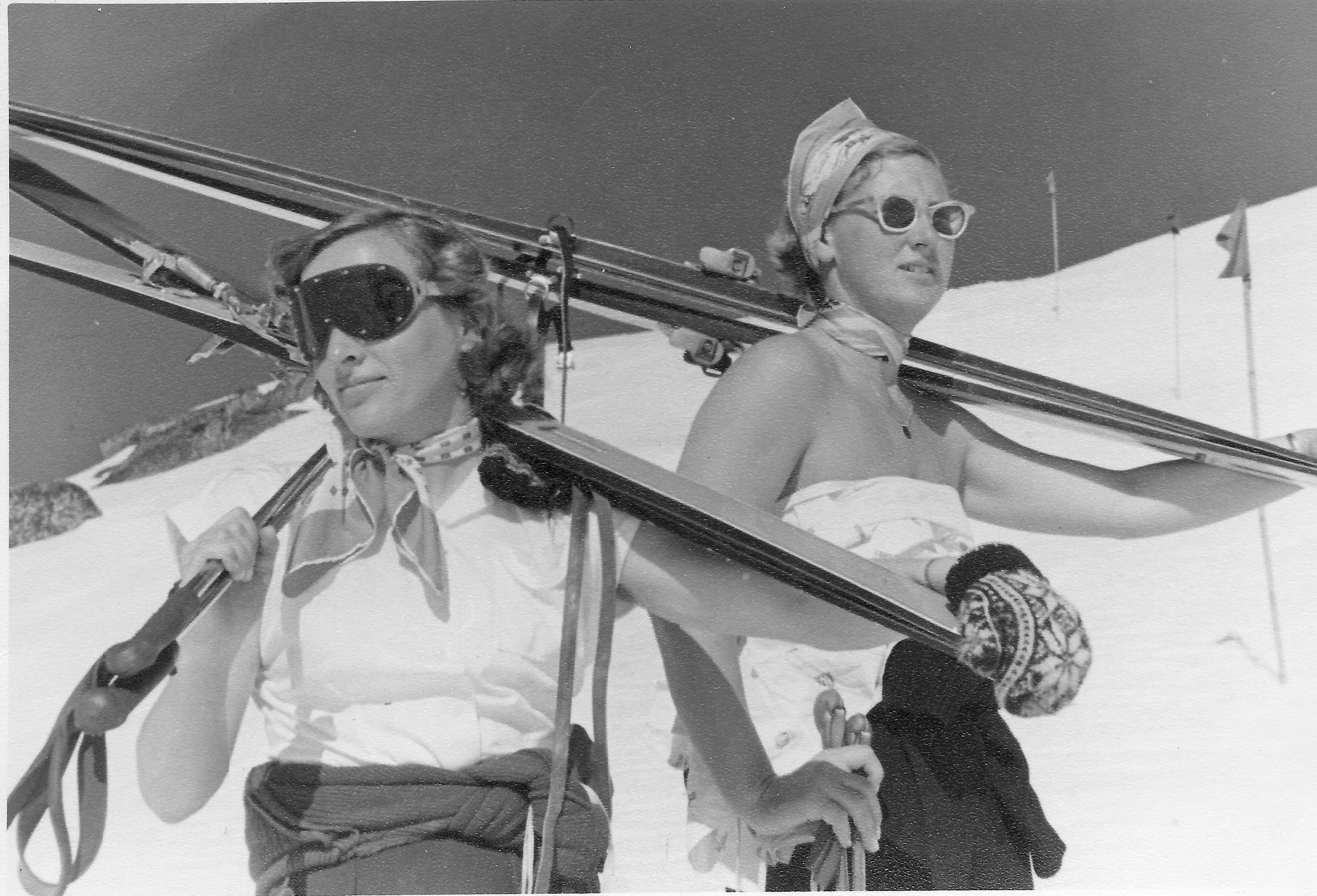
1956 Margaret and Betty Bunce
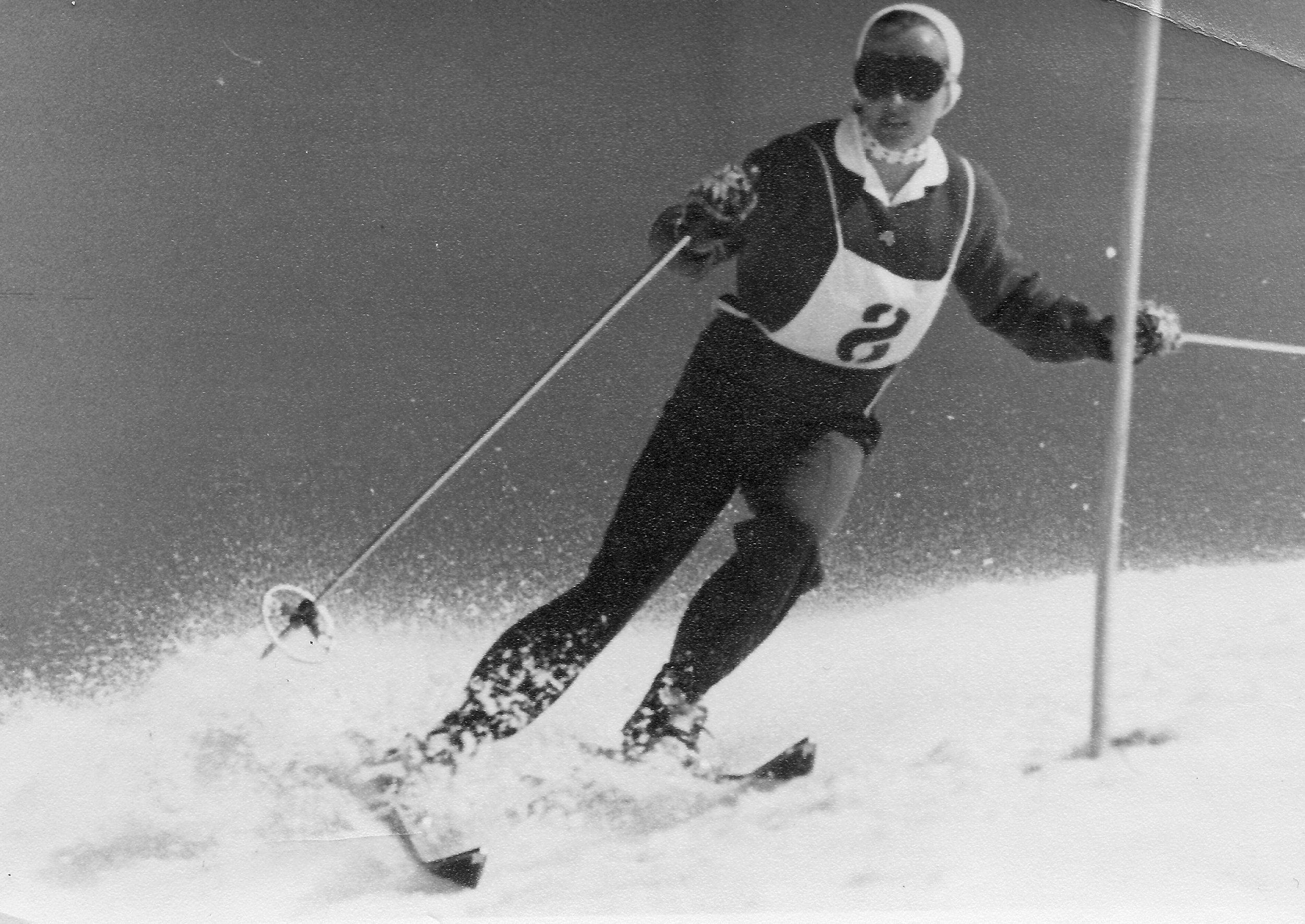
Margaret racing at Trapyard Creek
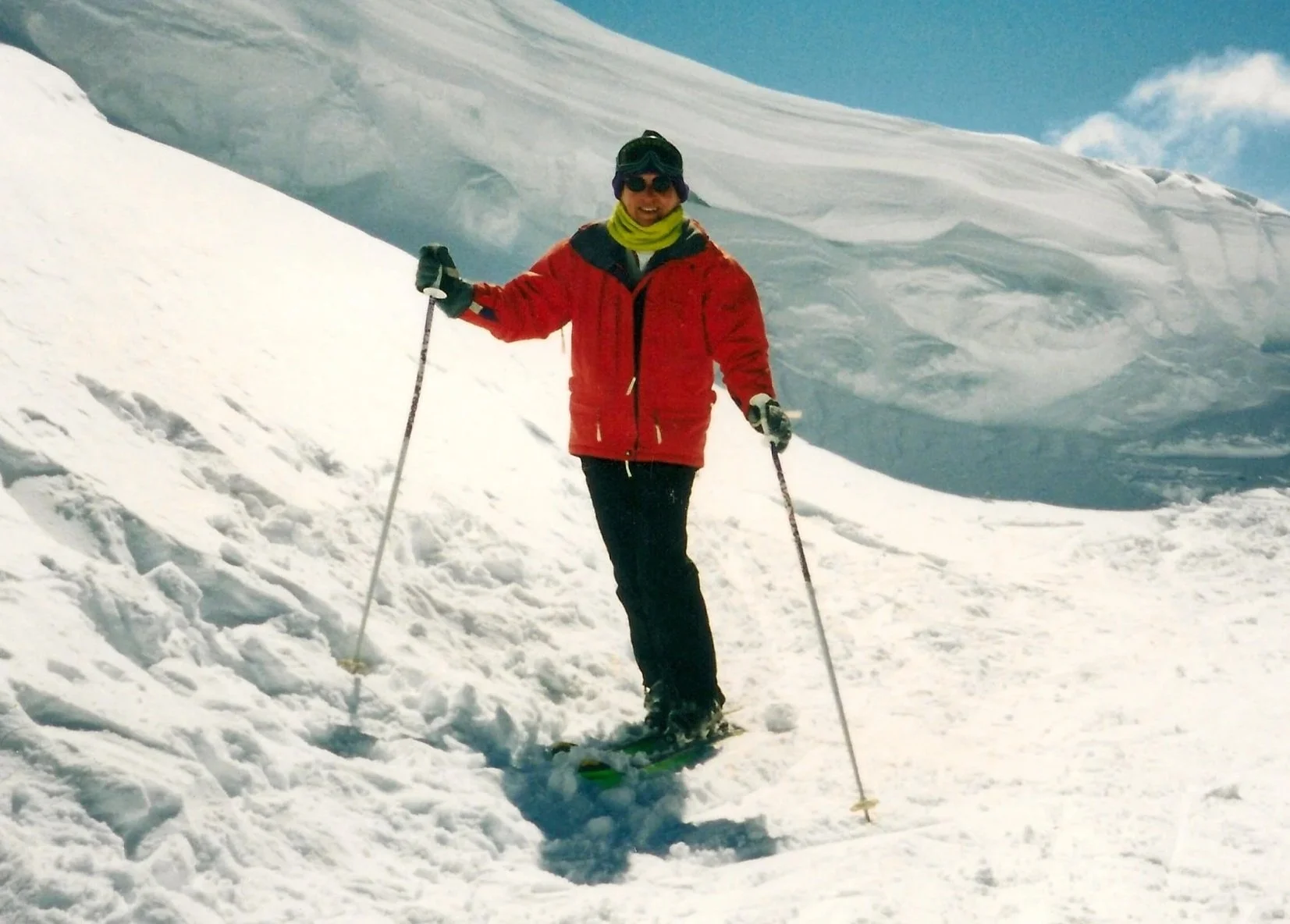
Margaret at Blue Cow